Analysts and stakeholders have cautiously welcomed the 2026/27 National Budget’s strong sectoral allocations and development focus, while warning that implementation will determine whether it delivers meaningful economic transformation.
Minister of Finance and Decentralisation Joseph Mwanamvekha presented the fiscal plan yesterday, directing significant resources toward agriculture, human capital development and industrial growth. The strategy seeks to align public spending with Malawi 2063 and shift the economy toward productivity-led expansion.

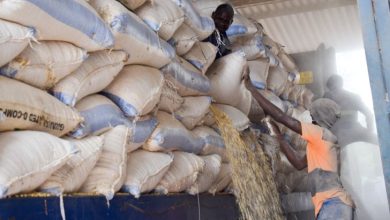
Agriculture dominates the budget with K931.1 billion, representing 8.2 percent of total expenditure. This includes K111.45 billion for the Fertiliser Input Subsidy Programme (Fisp) and funding for irrigation expansion to reduce reliance on rain-fed farming.
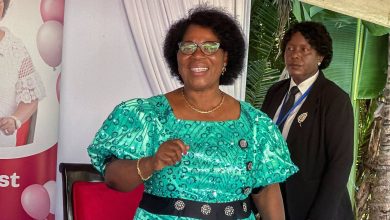
National Smallholder Farmers’ Association of Malawi chief executive officer Betty Chinyamunyamu said the budget reflects stakeholder input gathered during consultations, calling it a positive sign of responsiveness.
“We appreciate that even decisions made earlier have been reviewed based on feedback from farmers and other stakeholders, which is very important,” she said.
Chinyamunyamu also welcomed recognition of private sector participation, noting that government cannot grow the economy alone.
“The acknowledgement of the private sector, including small and medium enterprises, is critical. They are engines of growth,” she said, adding that irrigation and aquaculture investments have strong potential for both domestic consumption and exports.
However, she cautioned that continued emphasis on maize risks limiting diversification and that medium-scale farmers remain under-supported.
Political analyst George Chaima said agriculture investments, combined with decentralised funding, could stimulate local economies if effectively implemented.
“The budget targets empowerment of local governments so that major programmes are implemented at district level,” he said.
Government has allocated K51.2 billion to tourism and manufacturing, including investments in Special Economic Zones and industrial parks aimed at promoting value addition and exports.
National Advocacy Platform chairperson Benedicto Kondowe described the budget as ambitious and productivity-oriented, saying localisation of procurement and industrial investment could boost domestic manufacturing and job creation.
In the health sector, government plans to recruit nearly 6 000 health workers and increase funding for medicines and specialised services.
Malawi Health Equity Network executive director George Jobe welcomed the inclusion of dialysis services and higher drug financing, but noted Malawi remains below the African Union’s Abuja Declaration target of allocating 15 percent of national expenditure to health.
“Allocation is one thing, but execution is another. The money must reach facilities and save lives,” he said.
Education reforms continue following the introduction of free public primary and secondary education, with investments to support enrolment growth and improve transition into employment through higher education loans and graduate internship programmes.
The budget also expands social protection, allocating K7 billion to Social Cash Transfers and K2 billion to the Disability Trust Fund. Human rights activist Michael Kaiyatsa welcomed the disability allocation as a milestone but said overall social protection remains insufficient to cushion rising living costs.
Across sectors, analysts agree the budget outlines a clearer development direction, but stress that Malawi’s long-standing challenge remains effective implementation.